
The Coffee Snob’s Problem: Every City’s Best Café

You walk into a café in Cape Town, then one in Tokyo, then one in Berlin, and something feels off. The wooden tables, the hanging plants, the espresso machine in the same spot behind the counter.
The truth is, searching for the best café in any city usually leads you to the same place: a shop shaped by algorithms rather than actual local coffee culture. That’s not a coincidence.

For years, apps and social media have nudged coffee shops toward the same look and the same menu. A barista in Seoul follows the same accounts as one in Melbourne.
A café owner in Lisbon copies the same layout as one in Toronto. This strange sameness spreads everywhere, even though every shop claims to be local and different.
Coffee snobs love thinking they've found something rare when they stumble on a hidden café with good espresso and a carefully designed space. But if you zoom out, the pattern behind these finds tells a different story about how coffee culture really works now.
Why Independent Cafés Converge

Coffee shops everywhere end up looking alike because of shared social media habits, similar business costs, and customer expectations that nudge owners into the same design choices. This pattern says more about how we connect online than about any single café.
The Recognisable Specialty Coffee Formula
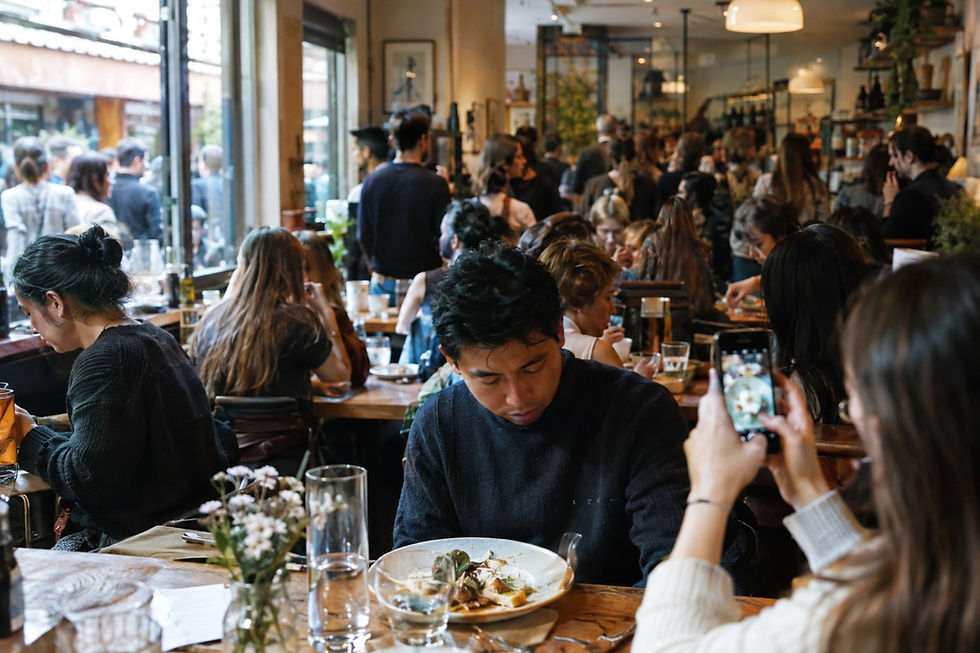
Most independent cafés stick to a set list of features. Exposed brick, reclaimed wood, hanging plants, and chalkboard menus show up again and again in different cities.
Baristas tend to look similar too—tattoos, piercings, beards—show up in most photos customers post. This formula isn’t just a coincidence.
Starting a café costs a ton—anywhere from £60,000 to £230,000—so banks push owners toward safer, tried-and-tested designs. Owners see what works online and copy it, for better or worse.
This is digital geography in action. Online trends shape physical spaces now, way more than local history or architecture ever could.
From Local Character to Globalised Taste
Independent cafés were supposed to counter big chains by focusing on local character and community. Instead, many have become part of a bigger pattern—globalisation, where digital technology spreads similar styles everywhere.
Thomas Friedman wrote about this flattening effect in The World Is Flat, showing how technology lets ideas jump borders in a flash. Sociologist Manuel Castells dug into how networks, not places, shape culture and business now.
Café interiors have started to look like what Marc Augé called non-places: spaces that feel familiar everywhere but don’t reflect anywhere specific. This links to the “AirSpace” idea—interiors that look the same in every city, whether you’re in a hotel lobby or a coffee shop.
What Customers Mean by Authentic
People say they want individuality and authenticity, yet they keep picking cafés that look like the ones they’ve seen online. It’s part of the whole hipster thing—chasing something that seems unique, but not so different that it’s uncomfortable.
Café design also ties in with gentrification. Exposed brick and vintage chairs started out as a way to market renovated flats in cities like New York, and now they’re code for “trendy, welcoming space.”
Some critics say this echoes old patterns of cultural influence. Gayatri Chakravorty Spivak, for instance, has written about how ideas tied to colonialism still shape which cultures we see as “authentic” or desirable.
For a lot of customers, community matters most. Even if the furniture is familiar, the sense of belonging at a local business can feel real—maybe that’s what keeps people coming back, even when the vibe is almost copy-pasted from somewhere else.
The Menu That Signals Quality
Certain drinks and details have become shorthand for quality in coffee shops everywhere. A specific roast, a specific drink, and a certain vocabulary all work together to tell you a café knows what it’s doing.
Light-Roast Espresso and Sourced Beans
If a café wants to be taken seriously, it usually serves light-roast espresso—not the dark, oily beans you’d find in old-school shops. Light roasting brings out the actual flavor of the coffee bean instead of just the taste of the roast.
Menus often list the country or even the farm where the beans were grown. It’s a signal: the roaster cared about the origin, not just the process.
This is a far cry from the approach of mass-market brands. Nescafé is all about consistency and convenience, not origin or roast style.
If you’re a coffee snob, roast level and bean origin are usually the first things you check before you order. Maybe that’s a little obsessive, but hey, it’s part of the ritual.
The Status of the Flat White
The flat white has a special place on the modern café menu. It started in Australia and New Zealand, and it’s now tied to Melbourne's coffee culture, which is all about espresso quality.
A flat white falls somewhere between a cappuccino and a latte. Less foam than a cappuccino, but a stronger coffee flavor than a latte, since it’s made with less milk.
Ordering one is a way to show you know your stuff. It says you can tell the difference between a flat white, a cappuccino, a latte, and a long black—instead of just asking for “a coffee.”
A skilled barista will add latte art on top, which gives you that visual cue of care and skill to match the taste. It’s a little showy, but it works.
When Expertise Becomes Coffee Snobbery
Knowing about beans, roasts, and drink styles can sometimes tip into something less friendly. Coffee snobs judge others for ordering the “wrong” drink or for liking chains over independents.
This creates a weird test for customers—if you don’t know the difference between a cappuccino and a flat white, you might feel out of place. It’s ironic, honestly.
Specialty coffee was supposed to celebrate individual taste and small businesses. But now, there’s this narrow set of rules about what counts as “proper” coffee, and not much room for personal preference.
How Platforms Create a Café Blueprint
Digital platforms shape how cafés look and work before anyone even walks in. Search rankings, algorithmic feeds, and online reviews all push owners to make the same design choices, so the blueprint repeats across cities and continents.
Search Rankings and Map-Based Discovery
Apps like Yelp, Foursquare, and Google Maps drive people toward cafés that fit their preferences. These platforms rank cafés using visibility and ratings, not just location.
A café with fast Wi-Fi, regular photo uploads, and consistent reviews will usually rank higher. Owners catch on fast and tweak their spaces to match what gets them seen in search results.
It’s a cycle. Cafés that already look like top-ranked spots show up higher, so new owners copy those designs instead of trying something new.
Algorithmic Feeds and Copyable Design
Instagram and TikTok run on algorithmic feeds that reward certain looks. Cafés with bright lighting, plain walls, and clear sightlines photograph well and perform better in the feed.
Owners follow each other online, so design trends spread fast. One person’s choice of tiles or lighting can influence dozens of others in just a few months.
This is what some people call algorithmic blackmail: owners feel like they have to copy popular looks or risk disappearing online. The same features pop up everywhere:
Large communal tables
White or tiled walls
Visible latte art
Minimal signage
Plants used as backdrops
Reviews, Recommendations and Digital Word of Mouth
Online reviews are the new word of mouth. Positive reviews and user photos build a café’s reputation way faster than old-school ads ever did.
When people post café photos, they give free social media ads—sometimes without even realizing it. Cafés that already match the popular look get more shares, so the cycle keeps going.
Follower inflation on social networks changes how people see a place. A café with lots of followers looks more legit, even if the coffee isn’t better. Owners end up focusing on visuals and engagement, sometimes even more than the drinks.
Designing for the Camera Rather Than the Neighbourhood
Now, a lot of cafés build their interiors around one main goal—getting people to take a photo and post it online. That’s just the reality, for better or worse. If you want to find something genuinely different, maybe give AWOL a try sometime.
The Rise and Decline of the Millennial Aesthetic
The millennial aesthetic swept through cafés, restaurants, and hotels in the 2010s. Pale pink walls, rose gold fixtures, and geometric shapes defined the look.
Millennial pink dominated everywhere. Some folks called it Tumblr pink, since it first blew up on that platform.
Cafés went all-in on the vibe. Menus often featured avocado toast.
Furniture stayed simple and modern. Signs leaned on thin, minimal fonts.
This style caught on fast because anyone could copy it. But it lost its spark just as quickly.
By the late 2010s, people started to see it as tired. Owners started looking for something fresher.
Instagram Walls and Immersive Installations
The Instagram wall pretty much screamed camera-first design. It’s a wall built just to look good in photos.
Neon signs, painted murals, maybe some wild patterns—whatever pops in a picture. Its only real job? Give visitors a striking backdrop for their feed.
Some businesses took it further and built entire spaces around photo ops. Enter the Instagram museum.
Think Museum of Ice Cream or Color Factory. These places use immersive installations—rooms that surround you with color, light, or texture.
You wander through, snapping pics in each themed room. It’s all about the visuals.
Critics sometimes call this an Instagram trap. The space is there for photos, not much else, really.
Why Instagrammability Has Commercial Value
Instagrammability isn’t just about the look. It actually brings in business.
A photo-friendly café turns every visitor into free advertising. Someone shares a shot, their friends see it, and suddenly the brand’s out there—no ad budget needed.
This is why so many independent coffee shops end up with the same exposed brick, chalkboard menus, and reclaimed wood. It all photographs well, but sometimes it’s hard to tell one place from another.
Some say this approach stifles creativity. The essay Carthage Must Be Destroyed makes a solid point: chasing algorithm-friendly design can flatten culture, since everyone copies what works online instead of inventing something new.
Still, plenty of restaurants and hotels stick with the strategy. The pull of instagrammability is just too strong for many to ignore.
Beyond Cafés: The Wider AirSpace Effect
The same forces shaping lookalike cafés spill over into co-working spaces, hotels, and offices everywhere. This isn’t just a coffee thing—it’s a global pattern, and it’s not always great for local communities.
Co-Working, Hospitality and Startup Interiors
Startups have built whole business models around a shared look. Companies like WeWork and The Wing filled their co-working spaces with raw wood tables, exposed brick, and Edison bulbs—just like the trendiest cafés.
Product companies followed suit. Casper, the mattress brand, became known for a soft pink and cream palette that showed up in pop-ups and ads alike.
The idea is simple: a recognizable look builds trust fast, even in a city you’ve never visited. Guests and workers know what to expect before they walk in.
It works for business, honestly. Startup offices, co-working hubs, boutique hotels—they all realized a familiar aesthetic attracts people who want comfort and no surprises.
The Cost of Optimising Physical Spaces
Designing for what looks good online comes with a hidden cost. Some call it algorithmic blackmail—that pressure to copy trending designs just to stay visible on social media and review apps.
This pressure can water down a location’s identity. When every space looks the same, how do you tell one business from another?
Local businesses often get squeezed the hardest. Smaller shops might feel forced to renovate just to keep up, even if it doesn’t fit their history or community.
For customers, there’s a loss of variety. Cities that used to have neighborhoods full of different styles risk blending into one endless, repeatable vibe.
Examples of Local Resistance
Not everyone follows the herd. Some owners pick designs rooted in their own history and culture.
Hallesches Haus in Berlin shows what’s possible. The concept store and café mixes vintage furniture with local products, giving it a distinctly neighborhood-driven feel.
In Bucharest, Beans & Dots stands out too. Founder Anca Ungureanu built the café around Romanian coffee culture and local sourcing, not international trends.
Writer Jillian May has also highlighted café owners who push back against generic design, choosing colors, furniture, and art that reflect their community.
These cases prove you don’t have to pick the global template. Owners can build brand identity by staying true to their place.
Finding Better Cafés Without Chasing Sameness
Getting away from algorithm-driven sameness means changing how you search, what you notice when you arrive, and where you spend your money. It takes some effort, but you’ll end up in cafés that actually feel like they belong where they are.
Use Digital Tools Without Letting Them Decide
Apps like Google Maps and Yelp steer people to cafés by ranking them on star ratings and review counts. This tends to push the same spots to the top, especially downtown.
Instagram and TikTok do the same, rewarding places that look good on camera, not necessarily those with the best coffee or most local flavor.
I’d say use these platforms as a starting point, not gospel. Search for specifics, like a certain coffee bean or roast style, instead of just “best coffee shop.”
Read a few reviews past the top ones. Look for comments about the coffee itself, not just the décor.
Look for Place-Specific Rituals and Menus
Cafés that reflect their location usually serve what the owner or locals actually drink—not just what looks good online. In Melbourne, for instance, you’ll find the flat white and a focus on quality espresso, both born from local taste, not global trends.
A few things to check if you want a place-specific café:
Menu language: Are the drinks named after local traditions, or just copied from global coffee culture?
Bean sourcing: Does the café mention a specific roaster or origin, or just use vague terms like “ethically sourced”?
Food pairings: Are the snacks or meals tied to the region, or is it just more avocado toast?
Honestly, those details say more about a café’s character than any paint color or light fixture ever could. If you’re curious about new ways to discover unique places, check out AWOL for more tips and stories.
Reward Craft, Hospitality and Genuine Community
The most reliable way to support better cafés? Notice the people running them. A skilled barista who can explain how a coffee was roasted, or why a bean was chosen, probably cares more about the drink than the interior design ever could.
Cafés that build genuine community host regulars and support local events. They might work directly with a nearby coffee roaster instead of some faceless supplier, which just feels more authentic, doesn't it?
Choosing to return to a café for good service or a well-made coffee—rather than just because it matched algorithmic recommendations—shifts what gets rewarded. Over time, that helps local businesses who build their identity around craft and hospitality, not just visibility on a map or feed.
Want to find more places like this? Check out www.awolapp.com for cafés and community spots that actually care.

Comments