
Why TripAdvisor's #1 Restaurant Is Usually a Tourist Trap: Ranking Realities and Review Manipulation

When travellers hunt for a place to eat in a new city, TripAdvisor's top-ranked restaurant looks like a safe bet. But honestly, that coveted #1 spot rarely means you're getting the best food or anything truly local.
Fake reviews, sneaky tactics, and algorithm-gaming often shove bland tourist traps up to the top, while the real gems languish somewhere below.
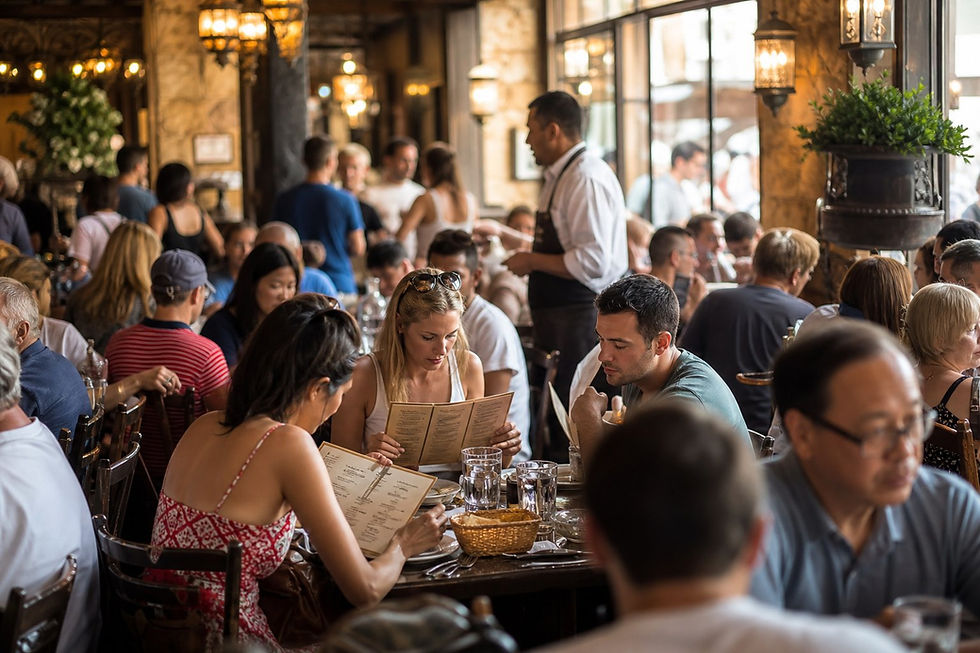
This issue really hit home when journalist Oobah Butler turned his garden shed into London's highest-rated restaurant on TripAdvisor. He did it with nothing but fake reviews and some hilariously staged photos of kitchen sponges as "food."
Butler's prank revealed just how shaky review platforms can be when it comes to catching fraud. The shed, which wasn't even a real restaurant, got thousands of booking requests and only served food for one wild night.
Restaurants have all sorts of ways to manipulate rankings, and knowing how they do it can save you from wasting money on bland, overpriced meals. The mechanics behind TripAdvisor's system, plus some basic review-spotting skills, go a long way in protecting your wallet and your precious vacation time.
TripAdvisor itself admits that hundreds of thousands of fake reviews slip past their filters every year, shaping where millions of tourists end up eating.
How TripAdvisor's Popularity Ranking Works

TripAdvisor ranks restaurants using three main factors in its search results. The algorithm weighs review quality, the number of reviews, and how recently people posted them.
Quality, Quantity, and Recency of Reviews
The TripAdvisor algorithm leans on three pillars: quality, quantity, and recency. Quality's about the average bubble rating—five-bubble reviews matter more than low scores.
Quantity is just the total number of reviews a place racks up. A spot with 500 reviews usually beats one with only 50, assuming the quality's similar.
Recency checks when people left reviews. Recent feedback signals that customers are still coming and the service is up-to-date.
The algorithm uses a time-decay system, so old reviews gradually matter less. All three factors combine into the Popularity Index, which means no single thing can guarantee a top spot.
Impact of Recent Reviews on Restaurant Position
Recent reviews really move the needle in TripAdvisor's Popularity Ranking. A steady flow of new feedback shows the place still pleases customers.
The algorithm rewards businesses that keep those reviews coming. If a restaurant gets five reviews every week, it'll likely outrank one that gets 20 reviews in a month, even if their scores are the same.
Old reviews fade in importance over time. So even a restaurant with tons of five-star ratings from years ago can drop in rank if a competitor suddenly gets a surge of fresh reviews.
Algorithm Vulnerabilities and Brand Reputation
Since review volume and recency matter so much, it's easy for some places to exploit the system. Restaurants can buy or fake reviews to jump up the rankings, especially in touristy areas where visitors don't know any better.
When businesses game the system, the whole idea of brand reputation takes a hit. Tourist traps grab the top spots, while local favorites with fewer but honest reviews get buried.
TripAdvisor doesn't reveal exactly how it weighs everything or what all its anti-spam tricks are. That secrecy makes it easier for sophisticated scammers to slip through, especially if they drip-feed fake reviews to look legit.
The Influence of Online Reviews on Dining Choices
Online reviews shape where tourists eat, probably more than anything else in travel planning. Review platforms build trust by crowdsourcing opinions, but that same system lets restaurants manipulate rankings with artificial scarcity and strategic moves.
Trust in Review Platforms for Tourist Decisions
Online reviews are still a trusted source for travellers picking restaurants and hotels. In a survey of over 23,000 TripAdvisor users, reviews played a major role in booking decisions.
People tend to check reviews at least twice before picking a place to eat. They'll often jump between platforms, trying to get a clearer picture.
TripAdvisor says their reviews influence decisions differently depending on the length and type. But this trust isn't without risk—tourists often run into conflicting reviews, especially when locals and tourists have wildly different takes on the same spot.
Appointment-Only Trends and Artificial Scarcity
Some top-ranked restaurants use appointment-only policies to create artificial scarcity. That move ramps up demand and keeps the number of actual diners low, making it harder to get a real sense of quality.
The trick works because limited availability feels exclusive. Tourists often see tough-to-get reservations as proof the place is amazing, rather than wondering if it's just a ploy to keep ratings high.
With fewer diners, there are fewer chances for negative reviews to pile up. This tactic especially benefits restaurants that serve mostly tourists instead of locals, letting them stay on top of rankings without much scrutiny.
Fake Reviews and Manipulation: A Growing Problem
TripAdvisor axed over 2.7 million fraudulent reviews in 2024. That's about 8% of all submissions that year, and this number doubled since 2022.
Fake Review Tactics and Review Boosting
Restaurants have plenty of tricks to boost their rankings with fake reviews. Some pay writers to post glowing feedback for places they've never even seen. Others ask staff or friends to leave nice comments in exchange for a discount or a free meal.
Member fraud made up a bit over 39% of fake reviews TripAdvisor found. This happens when users post reviews that break fraud guidelines.
Vandalism reviews accounted for 4.8% of the fraudulent stuff, and paid reviews were 2.1%. The platform also flagged and deleted 214,000 AI-generated reviews in 2024. These bot-written reviews can sound real but have zero actual dining experience behind them.
Some third-party companies pretend to be legit marketing agencies, but really they're just selling fake positive reviews or posting negative ones about competitors for a fee.
Patterns of Incentivised and Fraudulent Content
Competition drives a lot of this shady behavior. Restaurants sometimes post negative reviews about rivals, especially if they're nearby or offer similar food.
Incentivised reviews add another twist. Businesses reward customers for leaving reviews, which pushes ratings up, no matter how good or bad the meal really was.
These practices hurt honest restaurants that rely on real feedback. Since recent reviews matter more, scammers flood platforms with fresh fake content to rocket up the rankings. It's getting harder for travellers to spot which top-rated places are actually worth a visit.
Case Study: The Shed at Dulwich Hoax
Back in 2017, journalist Oobah Butler pulled off a wild stunt by making his garden shed London's top-rated restaurant on TripAdvisor. His hoax laid bare just how easily fake reviews and a sense of exclusivity can fool thousands of people and send a fake spot to the top.
Oobah Butler's Creation of a Fake Restaurant
Butler knew the system's weak spots thanks to his own experience writing fake reviews for £10 a pop. He registered The Shed at Dulwich with a burner phone and called it appointment-only, so no one could actually find the place.
He came up with dishes named after moods instead of ingredients. For photos, Butler snapped everyday objects—like a sponge with paint or an egg on his foot—and passed them off as fancy menu items.
These odd photos and mysterious descriptions showed up on the "restaurant's" website, building intrigue. With no real address and the appointment-only gimmick, the place seemed exclusive, which made people even more eager to book a table instead of questioning anything.
TripAdvisor approved the listing even though the whole thing was completely made up.
Climbing to the Top with Fake Reviews
Butler started out at position 18,149 among London restaurants. He got his friends to write convincing reviews from different computers.
This approach worked way faster than anyone expected. The fake restaurant climbed thousands of spots in just six months.
As The Shed became more popular, genuine booking requests poured in. People tried everything—bribes, name-dropping, even mentioning their girlfriend's job at a children's hospital—to secure a table.
TV execs reached out to Butler using official company emails. The hype was honestly wild.
By November 2017, The Shed sat at the very top of London's restaurant rankings. The listing got 89,000 search views in a single day.
Butler finally opened for one night, serving microwaved ready meals that cost just £31 for everyone. Some guests had even flown in from other countries to eat there. Imagine their faces.
Media Reaction and Impact on Trust
When Butler revealed the hoax, TripAdvisor fired back and called it a "misguided" test by journalists. They insisted real fraudsters wouldn't bother with fake restaurants, so their detection systems focused on manipulation of actual businesses.
The story sparked a massive debate about whether anyone should trust review platforms at all. It really exposed how easily people accept online ratings without checking the basics.
Photos of clearly fake food didn't stop the hype. Exclusivity and glowing reviews just seemed to override common sense.
TripAdvisor deleted the listing eventually, but trust in crowdsourced reviews took a hit. This case still gets cited as proof that coordinated efforts and fake scarcity can totally game the system.
Consequences for Restaurants and Consumers
When fake reviews boost mediocre restaurants to the top of TripAdvisor, diners and honest businesses both lose out. The whole thing creates a cycle of disappointment for tourists and damages the reputation of places that actually deserve good feedback.
Tourist Trap Experiences and Disappointment
Tourists who pick restaurants based on inflated TripAdvisor rankings usually end up disappointed. They show up expecting something special after reading all those glowing reviews, but get average food at high prices instead.
It's not just about the food either. Travelers waste precious vacation time and money at these spots, while better options sit just around the corner.
Some even feel embarrassed for trusting the rankings in the first place. It's a tough lesson to learn on holiday.
Mixed and contradictory TripAdvisor reviews make things worse. You’ll see the same restaurant called both "best night of our vacation" and "tourist trap to avoid"—not exactly helpful for hungry travelers.
Distorted Brand Reputations
Real restaurants with genuine reviews have a hard time competing with places gaming the system. Their reputations suffer when they get pushed down by competitors using fake reviews.
Quality spots might sit at position 15 while a tourist trap grabs the number one spot. It's just not fair.
This messes with how people see authentic businesses. Restaurants that refuse to play the fake review game can look less popular, even if their food and service are way better.
The ranking algorithm seems to care more about review quantity than quality, which leaves honest venues struggling. Some great spots lose customers to tourist traps just because of search placement.
Restaurants near tourist attractions have it even harder, since location already gives the cheaters more foot traffic.
Long-Term Effects on Review Platforms
Fake reviews chip away at trust in TripAdvisor as a reliable resource. Users get skeptical of all highly rated restaurants, even those that deserve the hype.
This skepticism kind of defeats the purpose of review sites, doesn’t it? Platforms have to keep pouring money and effort into detection systems just to maintain a shred of credibility.
TripAdvisor's transparency reports highlight their ongoing fight against fraud, but it's a never-ending battle. The situation creates what some call a tourist trap paradox.
Sure, online reviews push most restaurants to improve, but a sneaky minority just get better at deception. Travelers end up eyeing highly rated restaurants with suspicion, no matter what protective measures platforms claim to have.
Spotting Deceptive Practices in TripAdvisor Reviews
Fake reviews mess with restaurant rankings and trick travelers into picking places that really don’t deserve all those stars. If you know what to look for, you can avoid the traps and actually find good spots to eat.
Warning Signs of Manipulated Content
Watch out for generic language in reviews. Real diners usually mention specific dishes, service quirks, or funny moments.
Fakes often stick to bland praise like "amazing food" or "best restaurant ever" without saying what they ate. That should set off alarms.
Check the timing too. If a restaurant suddenly racks up dozens of five-star reviews in a few days, that's a pretty clear sign of coordinated posting.
TripAdvisor axed over 2 million biased reviews in 2023, which tells you just how big the problem is.
Take a look at reviewer profiles. If someone only posts glowing reviews for one place, or their account is brand new, odds are they're not a real customer.
On the other hand, profiles with a mix of reviews from different places feel way more legit. Extreme ratings without any balanced feedback are another red flag—real people usually mention both good and not-so-great aspects, while fakes go all-in on hype or hate.
Cross-Checking with Other Sources
When you compare TripAdvisor reviews with other platforms, you start to notice some weird inconsistencies. For example, a restaurant might sit at the top on TripAdvisor but get slammed on Google Maps or local food blogs—kind of a red flag for fake reviews and manipulation.
Recent reviews honestly matter a lot more than old ones. Places change, chefs quit, owners sell, and what you read from two years ago might be totally irrelevant now.
If you’re hunting for the truth, social media can be a goldmine. Scrolling through Instagram posts, reading food blogger rants, or lurking in local Facebook groups gives you blunt, unfiltered opinions from regular people.
Honestly, these sources often feel more real than the polished reviews on formal platforms. Together, they help you piece together a much fuller, messier, and probably more accurate picture of what you’re walking into.


Comments