
How Restaurants Buy Their Way to the Top of Your Search: Strategies & Insights

Ever wonder why "Italian restaurant near me" always seems to bring up the same few places? Some spots just keep popping up, while others are nowhere to be found. Restaurants reach the top of search results by strategically optimising their online presence through local SEO tactics, including claimed business profiles, targeted keywords, website optimisation, and accumulated positive reviews.
This isn’t just luck. It’s a deliberate, sometimes relentless, marketing approach that mixes technical know-how with a steady grind.

The gap between restaurants that dominate local search and those that barely show up usually comes down to understanding how search engines work. Some places still pour money into traditional ads, but others put their energy into restaurant SEO—drawing in folks who are actively hunting for a place to eat.
Techniques range from basics like keeping business info up-to-date, to more advanced stuff like using AI-powered optimisation. From Google Business Profile optimisation to managing online reputation and building website authority, these tactics decide which restaurants win over the 62% of customers who use Google to find their next meal.
The Role of Google Business Profile and Online Listings
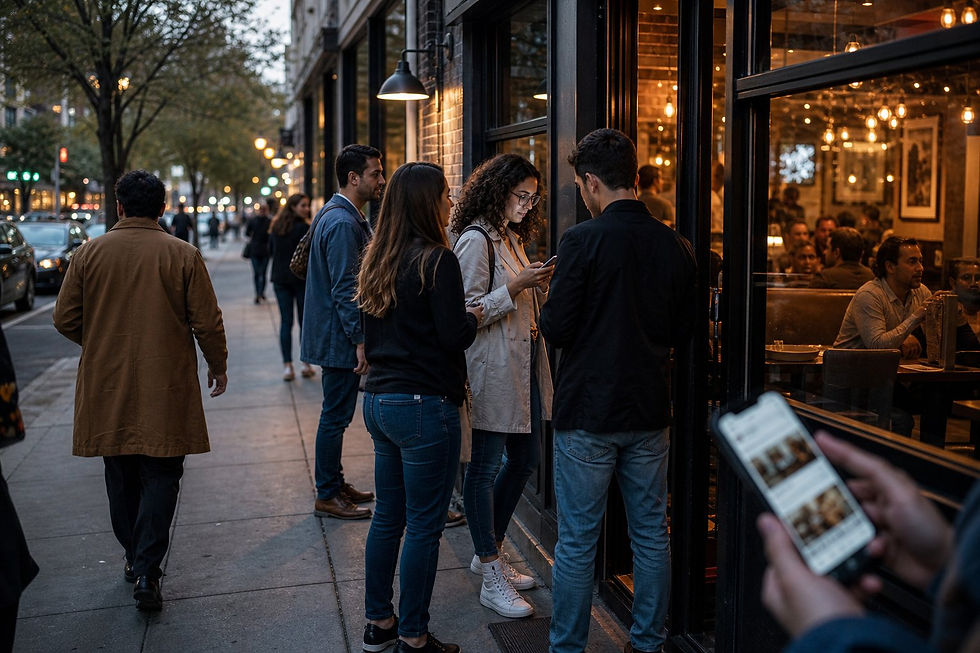
Google Business Profile is the main tool restaurants use to control how they show up in local search results and Google Maps. If the online listing isn’t accurate, a restaurant might not appear when someone searches for "restaurant near me."
Claiming and Optimising Your Profile
First, restaurants need to claim their Google Business Profile to control how they look on Google Search and Maps. If they skip this, competitors can leapfrog them just by taking care of the basics.
Optimising means picking the right primary category. For example, "Italian Restaurant" and "Pizza Restaurant" will rank differently, even at the same address. Secondary categories help, but they don’t carry as much weight.
Uploading high-quality photos—dishes, interiors, exteriors—makes a difference. Google likes profiles with fresh photos. The description field (up to 750 characters) is a chance to drop in relevant keywords, but naturally.
Diligent GBP management means regular updates. Posting about specials, events, or menu changes tells Google the business is alive and kicking.
Importance of Accurate NAP Consistency
NAP—Name, Address, Phone number—has to match everywhere: Google Business Profile, the restaurant’s website, social media, directory sites, you name it. Even tiny differences can cause headaches.
If you write "Street" in one place and "St" in another, Google might think they’re two different businesses. That confusion can tank local search rankings.
Restaurants with multiple locations have it harder. Each spot needs its own phone number and a separate GBP listing. Sharing numbers across locations just weakens the profiles.
Third-party delivery apps and review sites often create their own listings. Someone on staff needs to keep an eye on these and correct any mistakes. One wrong address can undo months of work.
Leveraging Menus and Opening Hours for Search
Google lets restaurants add menus directly to their Business Profile, making them searchable. If someone looks up "pizza restaurant near me," Google can match specific menu items to show the right places.
Opening hours matter more than most folks realise. Google pushes businesses that are open or opening soon to the top. Restaurants should update hours for holidays, events, and sudden closures right away.
Different hours for breakfast, lunch, dinner, or takeaway? Those should be listed, too. A breakfast café that updates its hours to show early openings will show up in morning searches.
Schema markup for menus on the restaurant’s website gives Google even more info—items, prices, descriptions. This can sometimes earn those eye-catching rich snippets in search results.
Dominating Local Search Through Directory Citations
Restaurant owners who build citations across major platforms, target industry-specific directories, and keep business info identical everywhere can seriously boost their search rankings.
Building Citations on Major Platforms
The backbone of local citations for restaurants is showing up where customers look most. Google Business Profile is the big one—it feeds directly into Maps and local results.
Restaurants need to claim and verify their profile, then fill it out: hours, menu links, good photos. Facebook Business pages aren’t just social anymore; they’re business listings that can influence search. You can show off your menu, take reservations, and display reviews right there.
Apple Maps Connect matters for iPhone users—they’ll often default to that app. Bing Places for Business reaches a different crowd, but it’s still worth the effort. Yellow Pages still matters in some markets and with certain age groups, believe it or not.
Each platform needs a complete, accurate profile. Don’t skip the details.
Using Restaurant-Specific Directories
Industry directories matter more for restaurants than generic listings. Yelp acts as both a review site and a main search tool for diners doing their homework. TripAdvisor rules the travel and dining scene, especially for spots near hotels or touristy areas.
OpenTable doubles as a reservation system and a discovery platform, so restaurants listed there get seen by folks ready to book. Zomato and Deliveroo offer citations and delivery. TheFork (ex-Bookatable) targets European diners.
Local directories count, too. Chamber of commerce websites, neighbourhood guides, city-specific food finders—they all help build authority in your area. These niche directories often have super-engaged audiences looking for new dining experiences.
Ensuring Consistency Across All Channels
The restaurant’s name, address, and phone number—your NAP—has to match everywhere. Even small differences like "Restaurant" vs "Rest." or "Street" vs "St" can trip up search engines and knock you down the rankings.
Common NAP inconsistencies to avoid:
Different phone number formats (parentheses versus dashes)
Abbreviated versus full street names
Missing or incorrect postcode formatting
Outdated addresses after relocations
Variations in business name (with or without "The")
Restaurants with multiple locations have to be extra careful. Each spot needs its own listing and unique NAP, but branding should stay consistent. Managing citations for multiple locations means tracking everything to avoid duplicates or conflicts.
Automated tools help monitor hundreds of directories at once, but you still need to check things manually. Platforms sometimes undo changes or merge the wrong listings. A monthly audit can catch mistakes before they hurt your search performance.
Harnessing Reviews and Reputation Management
Reviews have a direct impact on where restaurants show up in search results. Platforms like Google look at both the number and quality of reviews when ranking businesses. Strategic review management helps restaurants climb higher and build customer trust.
Encouraging and Responding to Reviews
Restaurants need a real plan for getting more feedback. Staff can ask happy diners to leave a review, or you can print review site links on receipts—whatever lowers the barrier.
Some places offer a 10% discount if you show proof of a review. Making the process easy—like having a tablet handy with review sites open—removes excuses.
Responding to positive and negative reviews shows potential customers that management actually cares. Research says 88% of people would use a business that replies to all reviews. For negative feedback, it’s best to reply within a day or two, acknowledge the problem, and offer a fix—maybe a comped meal or a direct line to resolve things privately.
Review Signals in Algorithms
Search engines factor in review data for local rankings. A one-star jump in ratings can bump up revenue by 5-9%, partly because better ratings mean better visibility.
Google’s algorithm looks at a few things:
Review volume - How many reviews you’ve got
Review recency - How recently people posted
Rating average - Your overall star rating
Review velocity - How steadily new reviews come in
Response rate - What percent of reviews get a reply
Fresh, steady reviews tell search engines the restaurant’s popular and active. That helps your local SEO, especially for those ultra-competitive "near me" searches.
Using User-Generated Content Wisely
Customer photos, social posts, and reviews give restaurants marketing material that feels real—something search engines actually value. Sharing customer Instagram shots on your own feed or website brings fresh content and lets you connect with your audience at the same time.
If you run social contests around new menu launches or seasonal events, you’ll nudge customers to post using branded hashtags. That creates content people can actually search for, all tied to your restaurant’s name.
Keep an eye on brand mentions and hashtags so you can spot which dishes or experiences people love. This user-generated content approach builds credibility, since most folks trust what their peers say way more than any ad.
Optimising Your Restaurant Website for Search Engines
Your website needs solid technical foundations and proper SEO if you want to show up in search results. Mobile performance, structured data, and on-page optimisation all work together to help search engines figure out what your site’s about—and whether it’s worth showing to hungry people nearby.
Building a Mobile-Friendly Site
Most diners whip out their phones to search for restaurants, so a mobile-friendly site isn’t optional anymore. Google now uses mobile-first indexing, so it’s judging your site mostly by how it looks and works on a phone.
A responsive website shifts its layout to fit any screen. That way, your menu, booking form, and contact info stay readable on any device—no pinching or squinting required.
Page speed really matters, especially on mobile. Compress your images, turn on browser caching, and cut down on bloated code to improve Core Web Vitals. Google’s PageSpeed Insights tool can flag what’s slowing things down.
Touch-friendly buttons and legible text sizes make browsing easier on a phone. Clickable phone numbers and working reservation links are a must. If your mobile site is slow or clunky, people will just bail and try the next place.
Implementing SEO Best Practices
On-page optimisation helps search engines make sense of your pages. Give every page a unique title tag (under 70 characters) and stick your main keywords up front.
Key on-page elements include:
URLs—keep them short, use keywords, and separate words with hyphens
Image alt text—describe your photos for accessibility and SEO
Meta descriptions—stay under 160 characters and make them enticing
H1 tags—use one per page, and include your main keyword
An XML sitemap tells Google which pages to crawl. Submit it through Google Search Console. The robots.txt file lets you control which pages search engines can access.
Technical SEO issues like broken links and duplicate content will drag down your rankings. Regular audits help you catch problems early. Internal links between related pages strengthen your site’s structure and help visitors find what they need.
Menu Structure and Schema Markup
A clear, organised menu isn’t just good for customers—it helps with search visibility too. Use clear categories, detailed descriptions, and properly formatted prices so search engines can pull accurate info.
Schema markup gives search engines structured data they can use for rich results. Restaurants should use Menu, Recipe, and LocalBusiness schema types. This code helps your site show up in featured snippets and knowledge panels.
Schema covers details like dish names, ingredients, prices, dietary info, and prep times. If you get it right, you’ve got a better shot at appearing in AI-powered search results on platforms like ChatGPT and Perplexity.
PDF menus often cause duplicate content headaches. Switch to HTML menus with proper headings and schema markup for better SEO. It also makes menus more accessible to screen readers and mobile devices.
Content, Backlinks, and Social Media Influence
Restaurants rise in search rankings by creating smart content, building links, and staying active on social. These three pieces work together to boost visibility and get more people through your door.
Effective Use of Social Channels
Social media’s become the main way diners discover new spots in 2026. 74% of diners use social media to decide where to eat, so platforms like Instagram and Facebook really matter for your digital strategy.
Restaurants that put effort into social see results. In 2024, restaurants reported a 9.9% revenue boost directly from social media strategies. The best brands saw gains up to 14.1%.
But social isn’t just for announcements. You need to actually talk with your followers, answer comments, and post content that shows off your vibe and food. Visual platforms are especially powerful—people want to see what they’re getting before they book.
Promoting in-person events on social works best for driving foot traffic, with 51% of restaurants seeing success. Mobile-optimising your own platforms comes close behind at 48%.
Building Authority with Backlinks
Backlinks from reputable sites tell search engines your restaurant deserves a top spot. When food blogs, local news, or dining guides link to your site, it builds authority and visibility.
Quality trumps quantity here. One link from a respected food magazine means more than dozens from random directories. Earn these links by creating newsworthy content, hosting events that attract coverage, or offering unique experiences people want to write about.
Local partnerships help too. Teaming up with nearby businesses, joining community events, or sponsoring local activities can get you links from council websites, event pages, or partner sites. Local links are gold for showing up in geographic searches.
Leveraging Local Influencers and Food Blogs
Food blogs and local influencers can drive a surprising amount of traffic. Research shows that 83% of consumers trust influencers and creators, and one in three found a new brand through a creator in the last year.
Still, lots of restaurants don’t really use creator partnerships. Even so, 46% said influencers delivered their second-highest ROI among digital strategies.
Benefits of influencer partnerships include:
Access to engaged, ready-made audiences
Authentic content that actually resonates
Stronger online presence across platforms
Local food bloggers are especially valuable since their readers actively look for dining ideas in your area. A glowing review can fill tables fast and spark social media buzz that helps your search rankings too.
Advanced Techniques: AI Search, Voice Search, and Analytics
Restaurants are now competing in AI-driven search engines and voice assistants, and they’re tracking performance with data tools. If you want to win, you’ll need to optimise for conversational queries and keep tabs on which investments actually drive bookings.
Preparing for AI-Powered and Voice Search
AI search platforms like ChatGPT, Perplexity, and Gemini pull restaurant recommendations from online listings and reviews. These systems prioritise restaurants with complete, accurate info across the web. Make sure your business details, hours, menu, and reviews stay updated everywhere if you want to show up in AI suggestions.
Voice search optimisation means focusing on natural, question-based phrases. People ask, “Where can I book a table for Italian food tonight?”—not just “Italian restaurant London.” Optimise your content for these questions, including location and services like “order online” or "booking a table.”
The technical side matters too. Voice search loves mobile-optimised, fast-loading websites. Double-check that your online ordering works smoothly on phones—most voice searches happen there. Schema markup helps search engines figure out your menu, prices, and reservations so AI systems can surface your info when people ask.
Using Data and Tools for Continuous Improvement
Google Search Console shows which search terms bring visitors and highlights technical issues. You can see click-through rates, average positions, and mobile usability problems. If your rankings drop, you’ll spot it quickly and can fix things before traffic tanks.
SEMrush and Ahrefs let you check out competitors and dig into keyword research. See what terms others rank for, estimate their traffic, and find gaps in your own strategy. Both tools also track backlinks, so you know which partnerships and mentions really move the needle.
Page speed directly impacts both classic and AI-powered rankings. Tools like Google PageSpeed Insights measure load times and suggest fixes. Slow sites lose customers, especially during online ordering on mobile. Aim for load times under three seconds and tackle mobile performance issues first.
Maximising ROI and Tracking Performance
Tracking ROI means connecting marketing spend directly to bookings and orders. Restaurants can use unique phone numbers or tracking URLs for each advertising channel.
This approach gives a clear sense of whether paid search, social media, or local listings actually lead to more reservations. Plenty of modern booking systems now come with analytics that tie reservations back to specific marketing sources.
AI investments in customer experience can show real returns if you implement them with some thought. Metrics like average order value, booking completion rates, and customer acquisition costs are worth watching.
If a chatbot handles reservations, it only makes sense as an investment if it frees up staff time and still keeps—or even boosts—booking conversions. Otherwise, what's the point?
Monthly reviews help spot which tactics actually work. Comparing organic traffic, paid search costs, and conversion rates month by month uncovers trends you might miss otherwise.
Restaurants can move budget away from channels that aren't delivering, and double down where the money really comes in. Focusing on bookings and orders matters way more than just counting social media followers or website visits.


Comments