
Why Restaurants Need a Website: Essential Benefits for Success

Most restaurants today lean on social media or third-party platforms to connect with customers. This approach leaves some big gaps in their digital presence.
A dedicated website gives restaurants full control over their brand, information, and customer relationships while boosting visibility and driving more bookings and orders. Without one, potential diners often struggle to find accurate details about menus, hours, or locations, and end up picking a competitor instead.
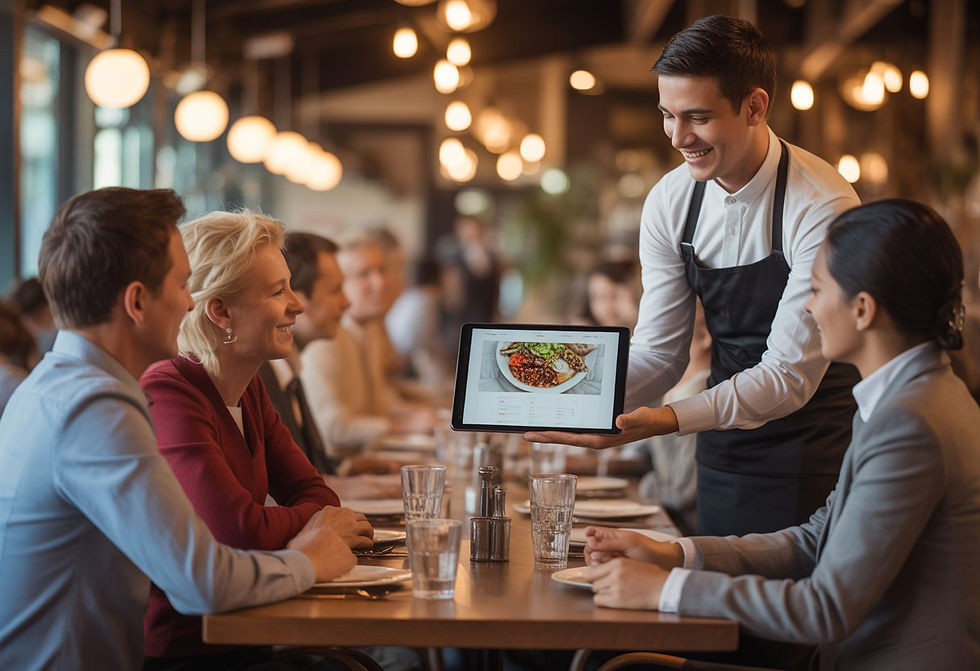
A professional website isn't just an online brochure. It acts as a central hub where customers can check menus, make reservations, place orders, and get a feel for what makes a spot unique.
Social media changes constantly, and platforms can limit your reach. A website stays yours, stable and in your control.
A well-designed website also cuts down on third-party delivery fees, collects valuable customer data, and powers your marketing. Let's dig into how a website can boost your visibility, build trust, improve the customer journey, enable direct ordering, simplify reservations, and shape your brand identity.
Powering Online Visibility for Restaurants

A restaurant website makes it much easier for new guests to find you online. The right search rankings and visibility efforts help you show up when hungry people are looking for a place to eat.
Increasing Local Search Rankings
Your website directly affects how you appear in local searches. If someone types "Italian restaurant near me," search engines check websites for info like location, cuisine, and menu.
Restaurants with optimized websites tend to rank higher than those relying on social or third-party sites. Search engines give preference to businesses with accurate info on their own domains.
With a website, you can control your hours, address, and contact details in one place. Adding neighborhood names, nearby landmarks, and service areas helps match your restaurant with local searches.
Customer reviews on your website boost credibility with search engines too. That can really help you climb the rankings.
Standing Out in a Competitive Market
Nearly half of restaurants still don't have a proper website or keep theirs up to date. That gap creates a huge opportunity for those who do.
When you have a polished website, you build trust before a guest even walks in. People comparing options tend to pick places that seem more professional and legit online.
Third-party listings can't show off your vibe, story, or personality the way your own website can. With high-quality photos, detailed descriptions, and your own design, you set yourself apart.
Social media posts disappear quickly, but your website is always there when someone searches for dining options. That's a real advantage.
Leveraging SEO for More Guests
Search engine optimization helps restaurant websites attract people who are actively looking to eat out. If you optimize your site, you'll show up higher in search results and get more traffic without paying for ads.
Using keywords for your cuisine, location, and services lets search engines know what you offer. Including these naturally throughout your site boosts your visibility for the right searches.
Menu pages, location info, and service descriptions all help your SEO. You can also keep your marketing fresh with blog posts, event announcements, or special promos. New content tells search engines you're active, which keeps your rankings strong.
Boosting Customer Trust and Credibility
Your website is the digital foundation for building trust with diners before they ever walk in. When people can quickly check your info, read real reviews, and see a professional presentation, they feel better about choosing you.
Creating a Professional First Impression
People form snap judgments about a restaurant within seconds of landing on its website. A clean, modern site signals stability and attention to detail.
Polished layouts, sharp photos, and easy navigation all help. When someone finds your website, they often link that to reliability in their mind.
Social media feels temporary and can vanish overnight. A website suggests you're here for the long haul.
No website? People start to wonder if you're still open, if your info is current, or if you're trustworthy enough for their time and money. It's not a great look.
Showcasing Genuine Reviews and Testimonials
Reviews on your own website carry more weight than those scattered across third-party sites. The context matters a lot.
When you show testimonials alongside your menu, photos, and booking options, it all feels more legit. This setup reduces skepticism and reinforces the good stuff.
Key benefits of hosting reviews on your website:
You control how reviews look and where they appear
You can highlight the most relevant testimonials
You can pair reviews with awards or certifications
No competitor ads crowding the page
Restaurant owners can pick which reviews to feature most, while still keeping things authentic. It's not about hiding the bad ones, but about putting your best foot forward.
Displaying Essential Business Information
If info is missing or hard to find, people just give up and go elsewhere. Your website should make the basics obvious and easy to access.
Essential info customers want:
Current opening hours
Complete menu with prices
Physical address and directions
Contact info
Booking or reservation options
Dietary accommodation details
When people can find these details right away, they feel more confident about visiting. Uncertainty kills the deal. Clear info makes it easy to say yes.
Showing prices upfront builds trust too. Diners appreciate honesty and can plan their visit. Hidden costs or vague pricing just push folks toward competitors who are more open.
Providing a Seamless Customer Experience
Your restaurant website should make it simple for someone to go from curious to booked or ordered in just a few clicks. People want to find what they need and take action without any hassle.
Accessing Menus and Special Offers
Your website gives customers instant access to menus with prices, descriptions, and photos. They can browse at their own pace, without feeling rushed.
Restaurants can highlight daily specials, seasonal dishes, or limited-time offers right on their site. Regulars can check for updates without calling in. A mobile-friendly site makes sure menus stay readable on phones, which is where most people search these days.
Digital menus let you update info instantly. If something sells out or prices change, you can fix it right away. That saves customers from disappointment and confusion during busy times.
Easy Navigation and Contact Details
Clear navigation helps visitors find what they want fast. Key info like hours, location, and phone number should be easy to spot on every page.
A mobile-friendly design ensures buttons are easy to tap and text is legible without zooming. Contact forms and click-to-call buttons make bookings a breeze.
Integrated maps with directions help new guests find you without getting lost. Simple layouts beat fancy, complicated ones—quick loading and logical info keep people moving toward a reservation or order.
Enabling Direct Online Ordering
Your own website opens up direct online ordering, which keeps transaction fees down and gives you access to valuable customer data. This means you control the experience and don't have to rely on expensive third-party platforms.
Integrated Online Ordering Systems
Modern websites let you embed ordering systems right into your site. These sync with your kitchen, inventory, and payments, so customers never have to leave your branded environment.
You get to control menu presentation, pricing, and special offers. The ordering interface matches your style and standards. Real-time updates keep availability accurate, so customers aren't frustrated by outdated info.
Key benefits of integrated systems include:
Immediate access to customer details and preferences
Customizable checkout and upsell options
Direct channels for order updates and marketing
Full ownership of transaction data for analysis
Reducing Reliance on Third-Party Platforms
Third-party delivery apps often charge 15% to 30% commission per order. That's a big hit to already tight restaurant margins.
Ordering directly through your website cuts out those commissions entirely. Research says 67% of consumers actually prefer ordering directly from a restaurant's site or app, not through a middleman.
People increasingly want their money to go to the business—not a delivery app. Your website gives them that option, and you keep control over delivery fees, minimum orders, and service areas.
Marketing drives people to your channels, where you own the relationship. No more platform interference or data restrictions.
Simplifying Table Bookings with Online Reservation Features
A website with built-in reservation tools changes the game for restaurant bookings. These systems cut out phone calls and manual tracking, letting diners book whenever they want.
24/7 Booking Convenience for Diners
Online reservations let customers book tables any time—no waiting for business hours or getting stuck on hold. A booking widget on your site shows available times and lets guests grab a spot in minutes.
With real-time availability, diners can see exactly what's open and pick what works for them. That eliminates the back-and-forth of phone bookings.
Many folks want to book outside standard hours, maybe late at night or during a lunch break. An online system catches those bookings you might otherwise miss.
The booking process is quick. People enter their details, pick a time, and get instant confirmation. That ease encourages more reservations instead of people drifting away.
Enhancing Operational Efficiency
Online reservations lighten the load for your staff. They don't have to answer as many calls during busy times. The system records each booking and updates your floor plan automatically.
Staff see all reservations in one place—website, social media, or partner networks like Google and TripAdvisor. Everything syncs up, no manual entry needed.
The system blocks double bookings and overbooking by tracking table availability. That protects both you and your guests from awkward surprises.
Automated confirmations and reminders go out to guests without staff having to lift a finger. This helps cut down on no-shows and last-minute cancellations.
You can even collect deposits through the system to lock in bookings. Guest data gets stored for future use, so staff can check preferences or special occasions and offer more personalized service.
Building a Cohesive Brand Identity
Your website is the heart of your brand online. It's where you show off your values, style, and personality in a way customers will remember.
Showcasing Ambiance and Restaurant Values
Your website gives you total control over how your place looks and feels online. Photos, colors, and fonts all work together to show if you're a casual family spot or an upscale destination.
You can highlight your values too. If sustainability matters, feature farm partnerships or eco-friendly practices. Family places can show off kids' menus and big tables.
The way you write matters, too. A fancy bistro might use elegant language, while a local pub keeps it friendly and chatty. These choices help guests know what to expect before they walk in.
Consistent Messaging and Visual Design
Restaurant websites set the tone for visual standards that stretch across social media, printed menus, and even the signs outside. When you use the same logo, fonts, and color palette everywhere, people start to remember you—and honestly, they’re more likely to trust you too.
Keeping your messaging steady means the restaurant’s voice sounds the same whether someone’s reading the about page, browsing menu descriptions, or checking out a promo. It keeps things clear and feels professional, avoiding any weird confusion.
Every little detail should fit the brand’s vibe. Button styles, image filters, layout choices—they all add up. When customers spot the same design touches online and in your actual restaurant, it just feels right. It reassures them they’ve picked the right spot to eat.
Ensuring Mobile Responsiveness and Accessibility
Most people look up restaurants on their phones now, so a mobile-friendly website isn’t optional—it’s a must. If your site loads fast and looks good on any screen, you’ll catch more bookings and online orders, simple as that.
Optimising for Smartphone Users
Over 70% of folks search for restaurants on their phones. Your site needs to adjust itself automatically, whether it’s showing up on a big desktop monitor or a tiny smartphone screen.
Big, easy-to-tap buttons make life easier for everyone using their fingers instead of a mouse. The text should be readable without pinching or zooming in. Menus should just scroll down, no awkward horizontal swiping needed.
Key mobile features include:
Click-to-call buttons for instant phone contact
Integrated maps that open directions in one tap
Simple navigation menus that don’t clutter small screens
Forms that are easy to fill out on touchscreens
Restaurants really need to test their websites on all kinds of devices before launching. Something that looks sharp on a laptop might be a total mess on a phone. A good responsive design changes up the layout, images, and navigation based on what device someone’s using.
Speed and Performance Across Devices
Mobile users want websites to load in under three seconds. If a site drags its feet, people just leave and check out a faster competitor.
Images usually slow things down the most. Restaurants should compress their photos but keep them looking good.
Big, unoptimized images can make a mobile site crawl. Nobody wants to wait for a menu to load when they're hungry.
Performance improvements include:
Compressed image files
Minimal use of large videos or animations
Clean, efficient code
Reliable web hosting
Google gives fast, mobile-friendly websites a boost in search rankings. A slow site frustrates people and sinks lower in search results.
Fewer people will find the restaurant if it loads slowly. It helps to run speed tests regularly and fix problems before they scare off customers.


Comments