
3 Cocktails Your Business Should Be Selling: Maximise Your Bar's Profit

Your bar's cocktail menu might be overwhelming customers instead of driving sales. Most restaurants offer too many drink options without a clear strategy behind them.
The result? Slow service, confused guests, and missed revenue opportunities.

A focused menu of three high-margin cocktails can generate way more profit than a sprawling list of twenty drinks. This approach cuts decision fatigue for customers and speeds up service for staff.
It also creates opportunities for themed promotions that keep people coming back. Cocktails often deliver profit margins as high as 80–85%, making them one of the most profitable items a restaurant can sell.
The key is picking the right three drinks and building a sales strategy around them. This guide will walk through choosing money-making cocktails for different customer preferences, designing a menu that sells itself, and training staff to upsell naturally.
Why Focus on Just 3 Cocktails?
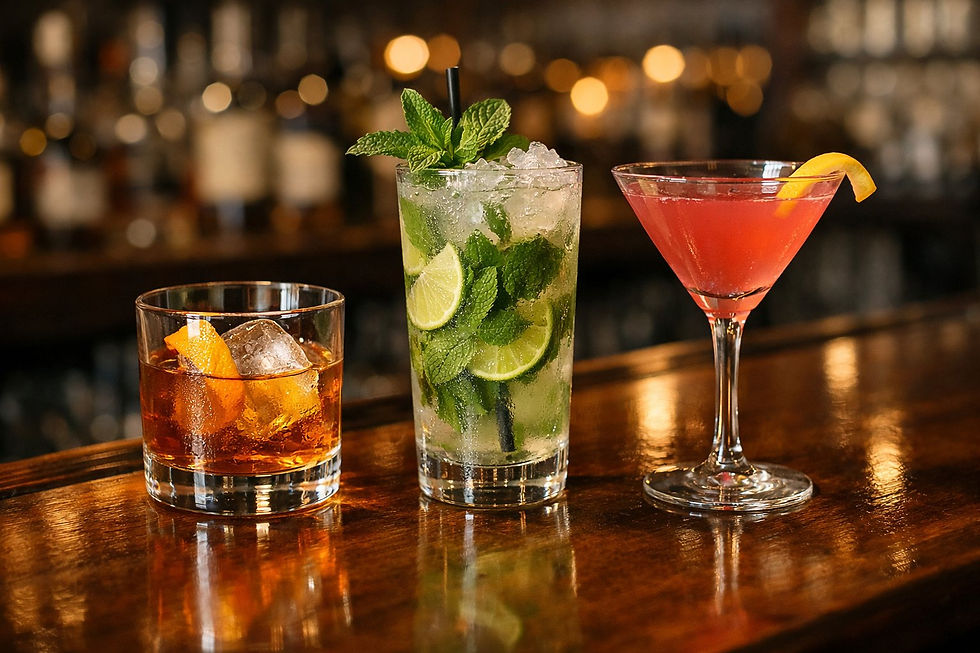
When you build a streamlined cocktail menu around three signature drinks, your bar can cut through the noise and boost sales. This approach reduces confusion, improves operational flow, and lets you maximise profit margins through smart pricing.
Reducing Decision Fatigue to Drive Sales
Give people too many choices and they freeze up, defaulting to something boring or skipping cocktails altogether. A focused selection of three cocktails wipes out that problem.
Research shows that limiting choices speeds up ordering and nudges guests to try something new. Bars that build a cocktail list with fewer options see higher conversion rates on premium drinks.
Each cocktail should have a clear personality. Maybe one is light and refreshing, another bold and spirit-forward, and the third lands somewhere in the middle.
Staff can sell with more confidence when they only need to know three drinks inside and out. They can describe flavours, suggest food pairings, and answer questions easily.
Streamlining Operations for Consistency
A tight beverage program means less inventory to juggle and fewer ingredients going to waste. Three well-designed signature cocktails usually need just 8-12 core ingredients, not dozens.
Bartenders get faster at making these drinks when they're repeating them all night. This consistency improves quality and cuts down on mistakes, especially when things get busy.
Training is easier, too. New staff only need to master three recipes to feel confident behind the bar.
Ingredient costs drop when you buy larger quantities of fewer items. Volume purchases can unlock better pricing from suppliers.
Storage is simpler, and inventory tracking doesn't eat up as much time. Less clutter, fewer tools—just a more efficient workspace all around.
Targeting High-Margin Signatures
Premium cocktails can deliver profit margins between 80-85%, way above most food items. With a focused menu, you can turn classic cocktails into premium drinks using better presentation and a good story.
Signature cocktails feel exclusive and crafted for your venue, so you can charge more. Guests see more value in a curated selection than in a generic list.
Pricing gets clearer with just three drinks. You can put one at a mid-range price to anchor expectations and set the other two a bit higher to maximise revenue per sale.
Limited-time offerings create a sense of urgency. If people know these three cocktails won't stick around forever, they're more likely to order now.
Selecting the Best-Selling Cocktails for Your Menu
The right cocktails can turn a drinks programme from just okay to seriously profitable. Bar owners should consider drink performance, guest preferences, and ingredient access when building their menu.
Criteria for High-Performing Cocktails
A high-performing cocktail really needs three things: broad appeal, operational efficiency, and profitability. Premium cocktails can boost profits by 30% if you pick them wisely.
Key Performance Indicators:
Preparation Time: Drinks should take no longer than 90 seconds to make during peak hours
Pour Cost: Ingredients should cost 18-24% of the selling price
Customer Recognition: Drink names or descriptions need to be instantly clear
Consistency: Recipes must be simple enough for any staff member to nail every time
Track which cocktails deliver the highest margins and fastest turnover. Drinks that need five specialty ingredients or tricky techniques just slow everything down and frustrate staff.
Top venues focus on drinks that use shared ingredients, which cuts waste and makes inventory easier.
Classics vs. Signatures: Striking the Balance
Every cocktail menu needs a mix of classics and signature offerings. Old-fashioned, margarita, and mojito are bestsellers because people trust those names.
Making cocktails understandable through descriptions or recognisable names keeps guests from defaulting to beer or wine.
The Ideal Menu Split:
Category | Percentage | Purpose |
Classics | 40-50% | Provides comfort and reliability |
Signatures | 30-40% | Showcases creativity and brand identity |
Seasonal | 10-20% | Creates urgency and novelty |
A signature cocktail works best when it's a twist on a classic. For example, a "Spiced Margarita" with jalapeño-infused tequila gives guests something familiar but new.
This approach takes less explaining than inventing a totally new drink with an obscure name.
Leveraging Seasonal and Local Trends
Seasonal cocktails let bars rotate the menu naturally and take advantage of what's fresh. Summer drinks with berries or cucumber perform differently than winter ones with cinnamon or clementine.
Local ingredients tell a story guests remember. A gin cocktail with locally distilled spirits or regional botanicals brings a sense of place and often commands a higher price.
Bars should introduce seasonal offerings every quarter but keep core classics year-round. Maybe a mojito gets rhubarb in spring, berries in summer, and apple in autumn.
This keeps the menu fresh without forcing staff to learn a ton of new recipes every season. Understanding what cocktails are currently in demand helps you stay relevant without chasing every fleeting trend.
Case Study: Top 3 Cocktails Your Business Should Be Selling
These three cocktails consistently deliver strong profit margins and appeal to a wide range of customers. Each one has unique selling points that make them must-haves for any drinks programme.
The Profit Power of the Margarita
The margarita is one of the most profitable cocktails you can offer. Its simple formula—tequila, lime juice, and orange liqueur—keeps costs low and margins high.
A standard margarita uses about 50ml of tequila, 25ml of triple sec, and 25ml of fresh lime juice. When you price it at £10-12, margins can exceed 80%.
The real money comes from premium variations.
Premium upgrade options include:
Top-shelf tequila selections (añejo or reposado)
Fresh fruit purées (mango, strawberry, or passion fruit)
Flavoured salts for the rim
Frozen variations with seasonal ingredients
Bars that offer themed cocktail menus see strong sales when featuring margarita flights. People love sampling different flavours, and flights encourage higher spend per table.
The Timeless Appeal of the Old-Fashioned
The old-fashioned brings a touch of sophistication with minimal fuss. This whisky-based cocktail uses bourbon or rye, sugar, bitters, and an orange peel garnish.
Its real strength is in customisation. Charge £12-15 for a standard version or £18-25 for premium spirits.
The drink feels complex, so people accept higher pricing—even though the ingredients are simple.
Key selling points:
Appeals to whisky fans and cocktail newbies
No special equipment needed
Quick to prepare, even when the bar's slammed
Works year-round, no matter the season
Staff can upsell by talking through whisky choices. Customers ordering an old-fashioned usually care about spirit quality, so they're open to premium recommendations.
This boosts restaurant profit margins compared to standard pours.
The Refreshing Mojito: A Customer Favourite
The mojito brings visual appeal and a refreshing vibe that customers love to photograph and share. White rum, fresh mint, lime juice, sugar, and soda water come together for an Instagram-worthy drink that doubles as free marketing.
It does take a bit more prep than some drinks, but you can price it at £9-13. The fresh ingredients justify the cost, and muddling adds a bit of theatre to the bar.
Profit optimisation strategies:
Batch-prepare the mint-lime mix during slow periods
Offer flavoured versions (raspberry, passion fruit, coconut)
Create a house signature with infused rum
Add premium rum upgrades for £3-5 extra margin
The mojito shines during warm weather and at outdoor venues. Positioning it as a signature cocktail helps your bar stand out and keeps profit margins strong all summer.
Designing and Presenting a Profitable Cocktail Menu
A well-designed cocktail menu acts as a powerful sales tool. Strategic naming, thoughtful layout, and visual cues can guide guests toward premium drinks and reinforce your brand identity.
Branding, Naming, and Describing Your Drinks
Cocktail names should spark curiosity and create emotional connections with guests. Honestly, "Vodka Martini" just doesn't have the same pull as "Midnight in Monaco" or "Garden Revival"—those names tell a story and get people talking.
Descriptions need to be short but appealing. Stick with the basics: spirit base, main flavours, and a sensory detail if you can.
For example, "Aged rum, vanilla bean, toasted coconut—smooth and tropical" gives a vibe without running through every single ingredient.
The language should fit the venue's identity. A structured cocktail menu programme can show off the bar's personality, whether it's classy or more laid-back.
If you're pouring premium spirits, highlight the brands in your descriptions. That helps justify the price and draws in spirit nerds (you know who you are).
Each drink name becomes a talking point for staff. It's a lot easier to recommend "The Golden Hour" than another generic margarita—names like that invite questions and spark curiosity.
Menu Engineering and Psychology
Placement matters for profits. The upper right corner of a menu catches the most eyes, so that's where your high-margin cocktails should go.
Put your signature drinks or premium pours up there—they tend to deliver the best returns.
Menu design should guide guests with smart organisation:
Sweet spot positioning: Put target drinks first and last in each category
Price anchoring: Lead with the priciest option so others seem more reasonable
Limited choices: Three to five drinks per section keeps decisions simple
Boxes, borders, and little icons help certain cocktails stand out without feeling like a hard sell. Ditching currency symbols makes prices feel less harsh, and smart spacing creates a natural flow that nudges guests toward your best options.
Cocktail flights give you a great up-sell angle. Bundling three small pours at £35-40 usually beats single £12-15 drinks and lets guests try more without committing to just one.
Visuals, Layout, and Upsell Triggers
Good photography can turn an ordinary menu into something people want to order from. Shots of garnishes, glassware, or vibrant colours make drinks look irresistible before anyone even tastes them.
Honestly, just one or two signature drink photos work better than flooding the menu with images. Too many and it starts to look cluttered.
The menu itself sends a message about value. Laminated cards feel casual, while leather-bound or thick, textured paper says "premium" without a word.
Weight, texture, and finish all play into how guests perceive your bar's quality—it's not just about the drinks.
Effective upsell triggers include:
Call-outs: Little badges like "Bartender's Choice" or "Guest Favourite" make selections feel validated
Pairing suggestions: Mentioning which small plates go well with certain cocktails can encourage guests to order more
Spirit upgrades: Listing regular and premium versions side by side makes the upgrade seem normal
Clear, readable typography beats fancy fonts every time. If guests have to squint, they're not going to bother reading.
White space keeps things from feeling overwhelming and lets the important stuff stand out naturally.
Strategic pricing displays aren't as important as the overall flow. Organising cocktails by flavour profile (instead of spirit type) gets guests exploring and opens the door for bartenders to recommend something special.
Upselling and Suggestive Selling for Maximised Revenue
Bartenders and servers who really know how to upsell can boost revenue and still give guests a great experience. Staff training, clever promotions, and perfectly timed tastings all help nudge guests toward premium cocktails.
Training Staff to Drive Cocktail Sales
Bartenders need to know their stuff—ingredients, how each cocktail is made, and the flavour profiles. This lets them make genuine recommendations that actually fit what guests like.
Training should cover when to suggest premium options. Good moments include when a guest finishes their first drink or mentions a celebration.
The whole thing has to feel natural, not forced.
Building rapport with customers is crucial for up-selling. Staff who take time to learn guest preferences can suggest cocktails that really match their taste.
Highlighting what makes a premium cocktail special—rare spirits, unique prep—adds to the appeal.
Storytelling goes a long way. When bartenders share cool details about a drink's origin or unusual ingredients, guests connect with it and don't mind paying a bit more.
Creating Irresistible Bundles and Promotions
Pairing cocktails with food is a simple way to raise the average bill. Offering a starter and signature cocktail together (for a slight discount) makes premium drinks feel more accessible.
Promotions should focus on value, not just price. Pointing out premium ingredients or artisanal prep helps guests see why some cocktails cost more.
Effective bundle strategies include:
Pairing cocktails with dishes that complement them
Offering flights with three takes on a spirit
Creating themed bundles with seasonal ingredients
Designing couples' packages featuring two premium cocktails
How you present these bundles matters. Use descriptive language and smart placement on the menu to draw attention to the higher-margin choices.
Implementing Tastings and Limited-Time Specials
Letting guests sample premium cocktails takes away the risk of trying something new. Once they've tasted a great drink, they're more likely to order the full version.
This works especially well during slower hours.
Limited-time specials add a sense of urgency. A "bartender's special" or seasonal cocktail feels like a unique chance guests don't want to miss.
Scarcity makes premium options more tempting. Staff should explain what makes each drink special—a quick note about unique ingredients or prep techniques gives context and helps justify the price.
Rotating specials keep regulars interested and give them reasons to come back. Promote these with table cards, social media, and by having staff talk them up.
Enhancing Customer Experience for Repeat Business
A killer cocktail menu doesn't mean much if guests don't come back. Strong service, loyalty programmes, and creative events are what turn first-timers into regulars who choose your place over the competition.
Delivering Signature Service
Service quality makes or breaks whether people return after trying your signature drinks. Staff need to know each cocktail's ingredients, flavour profile, and which foods pair well with them.
When bartenders chat with guests while making drinks, it creates a memorable experience that goes beyond just the drink itself.
Consistency is key for great customer experiences. Every cocktail should taste the same whether it's Tuesday afternoon or Saturday night.
That means precise measuring, standard recipes, and regular checks for quality.
Speed matters, too. Bars should set up efficient workflows so bartenders can handle multiple orders at once, especially during busy times.
Pre-batching certain ingredients for high-traffic periods helps keep things moving without sacrificing quality.
Personal touches help build loyalty. Remembering what regulars like or suggesting new drinks based on past orders shows you care and keeps people coming back.
Building Loyalty and Repeat Visits
Loyalty programmes reward frequent guests. A points system where purchases earn rewards gives people a reason to keep coming back.
Digital tracking with mobile apps makes it easier than old-school punch cards.
Repeat customers usually spend more than first-timers. Giving members special perks creates a sense of belonging that goes beyond just buying drinks.
Early access to new cocktails or priority seating during peak times makes loyal guests feel appreciated.
Birthday and anniversary rewards encourage visits during those special times. Automated reminders—via email or text—help guests remember their perks.
Collecting feedback shows you care about guest opinions. Quick surveys or comment cards on new cocktails let customers know their voices matter and can influence the menu.
Making changes based on suggestions helps guests feel invested in your bar's success.
Using Events and Happy Week to Boost Engagement
Strategic drink specials during slow periods can pull in traffic when bars really need it. A "happy week" promo that stretches happy hour across several weekdays gives customers a chance to try premium cocktails without breaking the bank.
It's a great way to launch those three signature cocktails—folks get to sample each at lower prices. You never know who'll become a regular after discovering a favorite.
Themed events spark a bit of urgency and excitement around certain drinks. A tropical cocktail night, for example, with matching décor and music, turns a plain evening into something people talk about.
Limited-time offers nudge guests to show up now, not later. Sometimes, that's all it takes to tip someone from "maybe" to "why not tonight?"
Social media can take your event beyond the usual crowd. Sharing photos of featured cocktails and event details grabs the attention of new faces and nudges regulars about what's coming up.
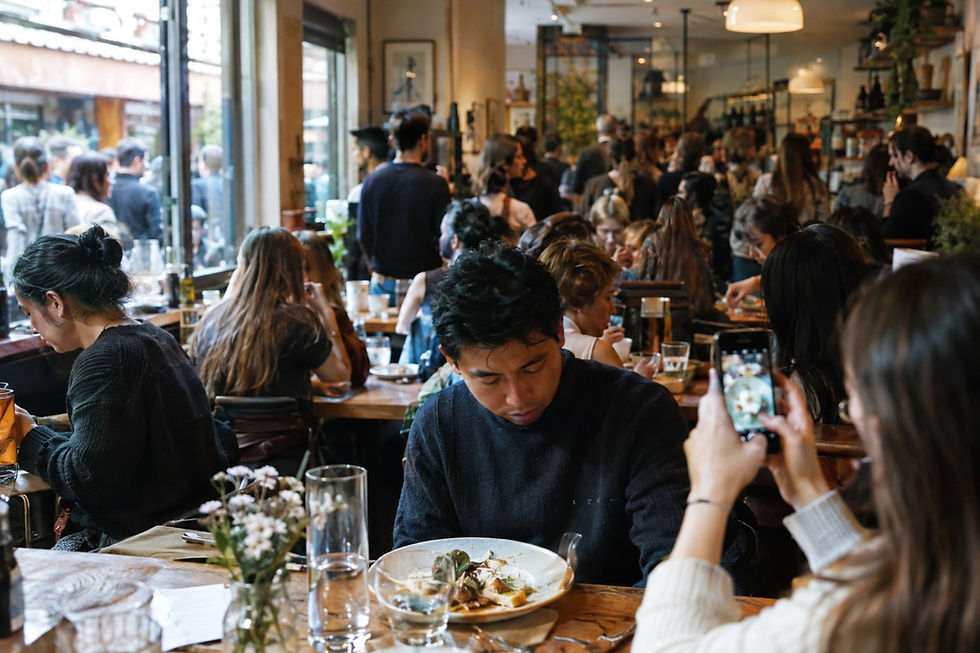
When customers post their own drink snaps, it feels genuine—almost like word-of-mouth, but faster. That kind of buzz builds trust way better than ads ever could.
Teaming up with local businesses opens doors to a bigger crowd. Working with nearby restaurants on cross-promotions or throwing tasting nights with local distilleries helps plant your bar right in the heart of the community.
It's a win-win—you introduce your cocktails to folks who might not have wandered in otherwise, and everyone gets a little extra exposure.

Comments